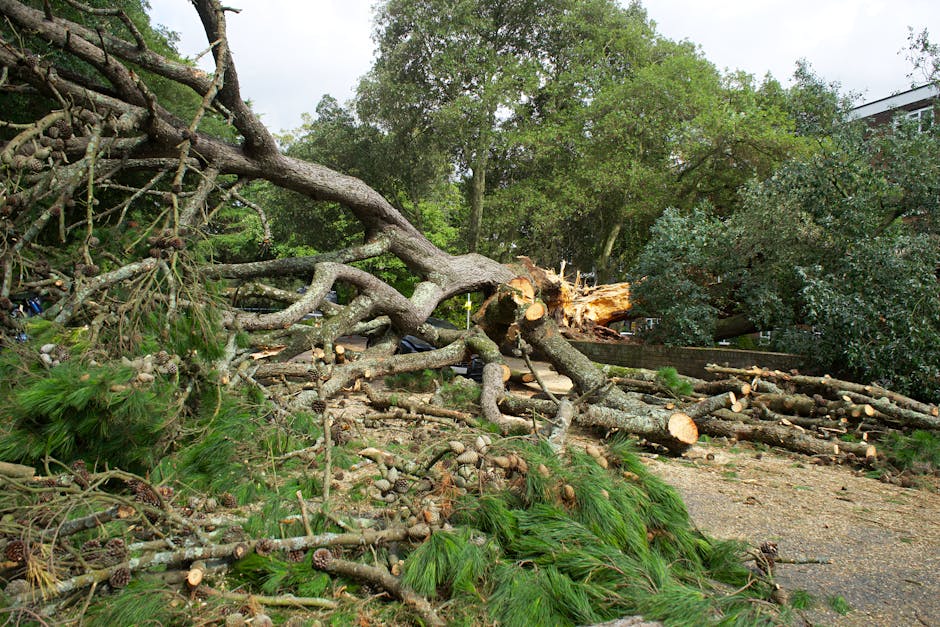
Emergency Tree Work Gardeners in Camden Town Same Day: Fast, Safe Help When Trees Can't Wait
If a branch has split overnight, a tree is leaning after strong wind, or something in the garden suddenly feels unsafe, you do not want a long wait and a vague promise. You want clear advice, quick action, and someone who understands how to work safely in tight London spaces. That is exactly where Emergency tree work gardeners in Camden Town same day becomes useful.
In Camden Town, tree problems can be awkward very quickly. Narrow front gardens, shared boundaries, parked cars, foot traffic, and nearby buildings all make rushed tree issues more serious than they first look. This guide explains what emergency tree work usually involves, how same-day help works, when it makes sense, and what you should check before anyone starts cutting. It is practical, straightforward, and aimed at helping you make a calm decision when the clock is not exactly your friend.
Why Emergency tree work gardeners in Camden Town same day Matters
Tree emergencies are rarely just about appearance. A cracked limb, uprooted stem, or falling debris can create a genuine safety issue for people, vehicles, roofs, fences, and neighbouring properties. In a busy part of London like Camden Town, that risk tends to escalate faster because space is limited and the margin for error is tiny. A branch that is merely inconvenient in a spacious garden can become a trip hazard or blocked access point on a Camden street within minutes.
There is also the stress factor. When a tree looks unstable, most people do not want to spend the evening guessing whether it will drop more branches in the night. You hear the wind, look out the window, and think, "Is that going to stay up?" Fair question. Same-day emergency tree work gives you a route from uncertainty to control, which honestly is half the battle.
This matters even more where the issue affects:
- front gardens close to pavements or shared paths
- trees pressing on fences, sheds, or lean-tos
- storm-damaged branches hanging over driveways or entrances
- trees interfering with access for residents, visitors, or deliveries
- unsafe debris after high winds, heavy rain, or snow
If the work is handled properly, it reduces immediate danger and prevents a small problem from becoming a bigger, messier one. And in emergency situations, "we'll sort it next week" is not much of a comfort, let's face it.
How Emergency tree work gardeners in Camden Town same day Works
Same-day emergency tree work is usually a rapid response process rather than a full landscaping visit. The priority is to make the area safe first, then deal with the tree in a sensible way. Depending on the situation, that might mean pruning back dangerous limbs, removing broken sections, clearing fallen material, or stabilising access until a fuller solution can be arranged.
A typical emergency call-out follows a simple pattern:
- You describe the problem clearly. Good detail helps a lot: what happened, whether the tree is leaning, whether branches are on the ground, and whether anything is blocking access.
- Urgency is assessed. Not every tree issue is a true emergency, so the first job is to separate urgent risk from routine maintenance.
- Safety comes first on arrival. The team will usually check the area, look for overhead hazards, and decide how to work without putting people or property at further risk.
- Immediate hazards are reduced. This can include cutting back loose limbs, removing unstable timber, or clearing debris from paths and driveways.
- Next steps are explained. If the tree needs further work later, you should be told what remains and why. No mystery, no drama.
In some cases, emergency tree work is closely tied to other garden services. For example, if a branch has torn through a border and scattered material everywhere, the job may overlap with garden clearance or, if the wider outdoor space needs tidying afterwards, garden maintenance. That joined-up approach saves time and avoids the awkward "job half done" feeling.
Same-day work does not mean rushing blindly. Good emergency gardeners work quickly, yes, but they still need to assess structure, movement, access, and the safest method before anything is cut. A hurried job that creates a bigger hazard is no bargain at all.
Key Benefits and Practical Advantages
The most obvious benefit is speed. When a tree issue is urgent, same-day attendance can help protect property and reduce stress. But there are a few other practical advantages worth spelling out.
| Benefit | Why it matters in Camden Town | What it means in practice |
|---|---|---|
| Fast risk reduction | Busy streets and compact gardens leave little room for danger | Loose limbs, leaning stems, and blocked access can be dealt with quickly |
| Clearer decision-making | It is easier to panic when a tree looks unstable | You get an informed view of what is urgent and what can wait |
| Better property protection | Branches near roofs, fences, and windows can cause secondary damage | Immediate action helps prevent a small failure from becoming costly |
| Less disruption | Homes, rentals, and shared outdoor areas need access kept open | The space can often be made usable again the same day |
| Joined-up service | Tree damage often leaves behind a tidy-up job | Work can be coordinated with related garden tasks, saving time |
There is also a quieter benefit: peace of mind. People underestimate that. Once the obvious hazard is gone, the house feels normal again. The garden stops looking like a half-finished problem and starts feeling liveable. That matters on a wet Camden afternoon when all you want is to close the door and breathe out.
Who This Is For and When It Makes Sense
Same-day emergency tree work is not just for dramatic storm damage. It is for anyone who needs an urgent, sensible response before the situation worsens. If you are hesitating, ask yourself: is the tree a nuisance, or is it actively unsafe? That question usually clarifies things fast.
This service may be right for you if:
- a tree or large branch has fallen after wind, rain, or snow
- you can see a split trunk, hanging limb, or sudden lean
- branches are touching windows, roofs, cables, or fences
- your exit route, driveway, or side passage is blocked
- there is damage after a vehicle impact or heavy impact from debris
- you manage a rental, shared property, or commercial entrance and need access restored quickly
It can also make sense if you are not sure whether the tree is actually in danger of falling. Sometimes a quick inspection is all you need. Not every urgent call ends in heavy cutting. Sometimes the right answer is cautious pruning, temporary making-safe, or advising that the tree is stable enough for planned work later.
For customers who want a broader service relationship, it can be useful to look at the provider's wider offer as well, such as services overview and the more specific tree lopping and removal page. That makes it easier to understand what is possible beyond the emergency visit. If you are planning a garden reset after the incident, you may also want to review landscaping or landscape gardening later on, once the urgent bit is handled.
Step-by-Step Guidance
If you need same-day help, a calm and structured approach gives the best outcome. A lot of the quality is in the first ten minutes, weirdly enough. Here is the practical sequence I would suggest.
- Check for immediate danger. Stay clear of hanging branches, leaning trunks, and damaged areas. If anything is near power lines, keep well back and treat it as high risk.
- Take a few photos from a safe distance. They help explain the problem and show how access might work. Do not stand under the tree to get a "better shot". That would be the sort of move people regret.
- Describe the issue plainly. Mention the location, what changed, and whether there is access from front or rear. Short, direct details help more than a long story.
- Ask what can be done today. The response may be full removal, partial reduction, temporary make-safe work, or removal of hazardous debris.
- Confirm access and site constraints. Camden gardens can be tight. If there are narrow gates, shared walkways, restricted parking, or fragile paving, mention it early.
- Ask how waste will be handled. Some jobs produce a surprising amount of material. You want to know whether debris will be cleared, stacked, or taken away as part of the visit.
- Get clarity on what remains afterward. If a full tree cannot be removed safely the same day, make sure you know what has been secured and what still needs follow-up.
That process sounds simple, and mostly it is. The difficult part is resisting the urge to rush around the garden before the hazards are assessed. Slow is smooth, smooth is safe. Bit of an old line, but still true.
Expert Tips for Better Results
In emergency tree work, a few small decisions can make the job faster, safer, and less stressful. These are the details that matter in real life, not just on paper.
- Keep people and pets away from the area. Even a light breeze can shift a damaged branch. Better to cordon off more space than you think you need.
- Be honest about access. If there is no parking nearby or the gate is awkward, say so. It saves time on the day.
- Do not try to pull or cut a hanging branch yourself. It may be under tension and can move suddenly. That is one of those jobs that looks easier than it is.
- Check neighbouring boundaries. In terrace settings or shared gardens, a damaged tree can affect more than one property. It helps to know who needs to be informed.
- Ask for the safest practical outcome, not just the quickest one. A slightly more careful job is usually the right job.
Another useful tip: think one step ahead. If the tree damage has left a messy border, broken planting, or damaged hard landscaping, you may want to combine the emergency visit with later restoration work. For example, a follow-up to garden clearance can make the space usable again without you having to manage multiple separate visits.
And yes, it is completely normal to feel a bit flustered when you first see the damage. Most people are. Trees make grand, calming things... until they are not.
Common Mistakes to Avoid
Emergency tree work goes smoother when you avoid a few predictable mistakes. Some are minor, some are not.
- Waiting too long. A tree that looks "probably okay" can become much less okay after another gust of wind.
- Assuming all tree problems are the same. A split trunk, a snapped limb, and storm debris are handled differently.
- Choosing the fastest quote without asking what is included. Speed matters, but so does the actual scope of work and whether waste removal is covered.
- Not checking insurance and safety processes. In a higher-risk job, that is not a box-ticking exercise; it is basic due diligence.
- Ignoring follow-up maintenance. One emergency visit can solve the immediate issue, but ongoing pruning or garden care may still be needed.
- Cutting away at damaged timber yourself. This one comes up often. Understandably so. But tension in damaged wood can be unpredictable.
There is also a subtle mistake people make: they treat the emergency response as the whole story. In reality, the best outcomes often come from emergency action followed by more considered upkeep, whether that is routine maintenance, hedge tidying, or longer-term tree and garden planning.
Tools, Resources and Recommendations
You do not need to become a tree specialist overnight, but it helps to know what professional teams are usually prepared with and what you, as the client, should have ready.
Common professional equipment
- chainsaws and pruning tools for controlled cutting
- protective clothing and safety helmets
- ropes, rigging gear, and lowering systems for awkward branches
- ladders or access equipment where suitable and safe
- clearance tools for debris and sawdust
Helpful information to have before the visit
- the exact address and best access point
- a brief description of what happened and when
- photos showing the tree from a safe distance
- notes on nearby hazards, such as sheds, glass, or vehicles
- anything unusual about parking or entry
If you are comparing providers, it can also help to review their practical policies before booking. On a website like this one, that includes the insurance and safety information, health and safety policy, and payment and security details. Those pages do not solve the problem themselves, of course, but they do tell you something about how the company operates.
For some customers, after the urgent tree work is complete, the next sensible step is reviewing seasonal upkeep. A little lawn mowing or hedge shaping can make the whole garden feel under control again, which sounds minor until you are standing in a garden full of branches and thinking, right, where do I even start?
Law, Compliance, Standards, or Best Practice
Tree work is one of those areas where professional judgment and safety practice really matter. You do not need to know every technical standard, but you do need to know that proper tree work should be carried out with care, clear risk assessment, and respect for nearby property and people.
In practical terms, a responsible emergency tree job should consider:
- site safety before cutting begins
- the risk to residents, neighbours, and passers-by
- safe handling of tools, branches, and falling debris
- how access and escape routes are kept clear
- appropriate insurance and professional working methods
In London settings, there may also be local constraints to think about, such as shared access, conservation-style surroundings, or trees that are simply in awkward positions. If a tree appears protected, if there is a boundary dispute, or if the work could affect neighbouring land, it is sensible to proceed carefully and ask for proper advice before any irreversible action. Not everything urgent should be rushed through just because it feels urgent.
Best practice is usually simple: identify the risk, reduce it safely, document what was done, and leave the site as tidy and secure as possible. If there is a follow-up phase, it should be explained plainly. That is how trust is built.
Options, Methods, or Comparison Table
When people search for emergency tree help, they are often really deciding between a few different ways to respond. Here is a simple comparison.
| Option | Best for | Pros | Limitations |
|---|---|---|---|
| Same-day emergency make-safe | Immediate danger or access issues | Fast, practical, reduces risk quickly | May not complete every part of the long-term solution |
| Partial pruning or reduction | Branches are unstable but the full tree may remain | Preserves the tree where possible, controls risk | May require follow-up visits or later maintenance |
| Full tree removal | Severe damage, dead trees, or unsafe structure | Removes the hazard entirely | More disruptive and may need more planning |
| Deferred scheduled work | Low-risk issues that are not truly urgent | More time to plan and budget | Not suitable when safety is already compromised |
The right option depends on the actual condition of the tree, not just how dramatic it looks from the window. A small split in the wrong place can be more serious than a bigger branch that is still stable. That is why proper assessment matters so much.
Case Study or Real-World Example
Picture a typical Camden Town afternoon after a blustery night. A homeowner wakes up to find a heavy branch dropped across part of the front path. Nothing catastrophic, thankfully, but enough to block access and make the area feel unsafe. The branch is too large to shift by hand, and smaller twigs are scattered across the pavement and front steps.
The sensible response is not to start hacking at it straight away. Instead, the resident keeps everyone away from the area, takes a couple of photos from the doorway, and calls for same-day help. On arrival, the issue is assessed first. The branch is not just a nuisance; it is under tension and resting awkwardly against the boundary fence. A controlled cut removes the hazard, the debris is cleared, and the path is made usable again. The resident can get on with the day instead of worrying about whether the next gust will make things worse.
That kind of job often looks simple after the fact. Beforehand, though, it is tense and a bit messy. The difference is a calm process and a safe method. Tiny distinction, huge impact.
In a similar situation, the same customer might later decide to book follow-up work for the wider garden, perhaps through garden maintenance or even a broader tidy-up that includes hedge trimming. That is usually the point where the space stops looking like a problem and starts looking like a garden again.
Practical Checklist
Use this quick checklist if you are dealing with a tree emergency today:
- Keep people and pets away from the hazard
- Stay clear of branches under tension or leaning badly
- Do not work under the tree while checking damage
- Take safe-distance photos if they are helpful
- Note the exact access point and any parking issues
- Explain what happened in plain language
- Ask whether the issue needs make-safe work, pruning, or removal
- Confirm whether debris clearing is included
- Ask about insurance and safety practices
- Arrange follow-up garden work if the site will still need tidying
Expert summary: if the tree is unsafe, treat it as a safety job first and a garden job second. That small shift in mindset helps people make much better decisions under pressure.
Get a free quote today and see how much you can save.
Conclusion
Emergency tree problems are stressful, especially when they happen close to home and in a place as busy and compact as Camden Town. But same-day help can make a real difference. It can reduce danger, protect access, and stop a sudden problem from turning into a much larger one. More importantly, it gives you a clear path forward when the situation feels a bit too much.
If you remember only one thing, make it this: assess first, act safely, and do not guess. The best emergency tree work is careful, fast, and honest about what is needed now versus what can wait. That balance is what keeps people and property safer, and it saves a lot of needless stress too.
When the immediate hazard is dealt with, you can get back to the ordinary rhythm of home again. And that is a pretty good outcome, all things considered.
Frequently Asked Questions
What counts as emergency tree work in Camden Town?
Emergency tree work usually means there is an immediate safety concern, such as a fallen branch, a tree leaning badly, damage after wind or impact, or debris blocking access. If the issue can wait for a normal booking, it is probably not an emergency.
Can gardeners really handle same-day tree work?
Yes, if they offer the right equipment and experience for urgent tree-related tasks. The key is not the job title alone, but whether they can assess the risk and carry out the work safely. A good provider should be clear about what they can and cannot do on the day.
How fast can same-day tree work happen?
It depends on workload, access, and the seriousness of the issue. Same-day does not always mean instant, but it does mean the problem is treated as urgent and action is arranged as soon as practical.
Should I cut a dangerous branch myself before help arrives?
No, not if it is hanging, split, or under tension. Damaged timber can move suddenly. The safer choice is to keep clear and wait for proper assessment.
What should I do if a tree has fallen across my path or driveway?
Keep everyone away from the area, avoid moving unstable sections, and describe the access problem clearly when you call for help. If the tree is near power lines or has caused major structural damage, treat it as a high-risk situation.
Do emergency tree jobs always mean full removal?
Not at all. Often the best response is partial pruning, reducing the unsafe part, or making the site safe until fuller work can be arranged. Full removal is only one option, and not always the right one.
Will the team remove all the debris too?
That depends on the scope of the job, but good practice is to make the area safe and leave it tidy. It is worth confirming in advance whether debris removal and clearance are included.
Is emergency tree work more expensive than planned tree work?
It often can be, because urgent response and out-of-sequence scheduling usually cost more than routine maintenance. The exact price depends on the situation, access, and amount of work needed. Asking for a clear quote is always wise.
What if the tree is on a boundary or shared garden?
Shared boundaries can complicate urgent work, so it is best to describe the setup clearly and keep communication calm. If the issue affects another property, a careful, documented approach is usually the safest route.
How do I know if the tree is actually dangerous?
Warning signs can include sudden leaning, split trunks, hanging branches, roots lifting, or movement after strong weather. If in doubt, treat it as a potential hazard and get a professional view rather than guessing.
Can emergency tree work be combined with other garden services?
Yes, and that is often sensible if the tree damage has left the garden messy or difficult to use. After the urgent work, some people move on to maintenance, clearance, or wider garden improvements to restore the space properly.
What makes Camden Town different for urgent tree jobs?
Space. Simple as that, really. Narrow access, neighbours close by, parked cars, and limited working room mean the method has to be planned carefully, even when time is tight. That is why local experience matters so much.