Gardener Camden Town — Recycling & Sustainability
Welcome to Gardener Camden Town's sustainability page where our focus is on creating an eco-friendly waste disposal area and a resilient sustainable rubbish gardening area. We design every maintenance shift and site plan around reducing waste, improving reuse and closing nutrient loops back into our community gardens. Our approach is practical: clear sorting, local partnerships and a low-carbon distribution plan that helps keep Camden greener for residents, volunteers and wildlife.Practical separation and borough-aligned recycling
We align with the borough's approach to waste separation so that materials collected on site fit into existing local systems. The general principle is source separation for: paper, cardboard, glass, metal, mixed plastics, food waste and garden waste. That means our teams separate bulky green waste for composting, collect food scraps for community-scale digesters, and keep salvageable items for reuse or refurbishment. We believe small on-site choices support the wider Camden recycling strategy and the North London waste network. Our targets are measurable and ambitious. We have set a recycling percentage target to divert at least 65% of all material arising from our sites by 2028, prioritising reuse and composting over disposal. Where possible we also track a higher-level diversion goal: aiming for 85% of organic and reusable garden materials to be returned to soil or repurposed within community projects. To reach these figures we combine staff training, easy-to-follow labelling, and regular monitoring of waste streams.
Local transfer stations and logistics
Our logistics are built around nearby transfer facilities and the North London Waste Authority network so that separated materials flow efficiently to appropriate processors. Key routes include:- Local borough transfer stations and civic amenity sites for bulky and non-standard wastes
- Materials Recovery Facilities (MRFs) that accept dry mixed recycling
- Community composting hubs and anaerobic digestion sites for food and garden waste
 Partnerships with charities and social enterprises are central to our reuse strategy. We work with community reuse groups, clothing banks, furniture reuse charities and food redistribution networks so that items retained from site clearances or garden projects find a new life. These partners extend the life of materials, create local jobs and reduce the carbon footprint of disposal. Our scheme also supports community fridges and tool libraries to keep garden resources circulating in the neighbourhood.
Composting, mulching and the sustainable rubbish gardening area are not just slogans for us — they are hands-on practices. Fallen branches, prunings and green waste are chipped and used as mulch in raised beds; leaf litter and kitchen scraps become structured compost for soil rebuilding. We embrace low-intervention soil improvement techniques, encourage native planting and maintain biodiversity pockets within gardens so that waste becomes a resource rather than rubbish.
Measurement, transparency and training underpin our progress. Every season we audit the waste streams from planting, maintenance and event days, recording tonnages and recycling rates so we can improve. Staff and volunteers receive training on the borough's separation guidelines and on-site labelling systems to ensure consistency: paper/cardboard in blue sacks, glass and cans in separate containers, and food/garden waste in compostable caddies. This repeated attention keeps contamination low and increases the value of collected recyclables.
 A cornerstone of our low-impact operations is vehicle strategy. We are transitioning to a fleet of low-carbon vans and cargo bikes to reduce emissions from collections and deliveries. Current commitments include converting 70% of light commercial vehicles to electric or plug-in hybrids by 2026 and using cargo bikes for short urban runs. Route optimisation software reduces mileage, and where charging infrastructure is needed we prioritise sites that share power with community energy schemes. These choices lower our operational carbon while keeping the service reliable.
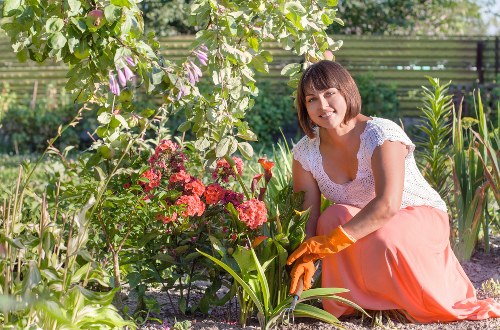 Commitment and community are at the heart of Gardener Camden Town's sustainability plan. Our combined targets, local transfer station links, charity partnerships and low-emission fleet form an integrated strategy to foster an eco-friendly waste disposal area and a productive sustainable rubbish gardening area. We will continue publishing annual summaries of progress, expanding reuse partnerships and refining our collection routines. By prioritising separation at source, investing in composting, and choosing low-carbon transport, we create resilient green spaces and contribute to the borough's broader waste reduction goals.
Our commitments at a glance
- Target: 65% recycling of site-generated material by 2028
- Organic reuse: 85% of garden/organic waste returned to soil systems
- Logistics: Close coordination with North London transfer stations and MRFs
- Charities: Active partnerships with reuse and redistribution networks
- Fleet: 70% low-carbon vans and cargo bikes for urban routes by 2026
Gardener Camden Town remains committed to evolving our practices as local policy and technology advance. We champion pragmatic circular-economy approaches that convert what would be rubbish into resources for soils, benches, tool banks and community projects — proving that sustainable gardening and responsible waste management go hand in hand.
Together, we can make our gardening spaces models of low-waste urban stewardship — practical, measurable and rooted in community values.