Gardeners for NW1 Flats Mornington Crescent Roof Terraces: Practical Care for Compact Urban Outdoor Spaces
If you live in a flat in NW1, especially around Mornington Crescent, a roof terrace can be one of the best parts of the home. It can also be one of the trickiest to look after. Wind, weight limits, awkward access, drainage, and the simple reality of busy city living all change what "garden care" means up there. That is why gardeners for NW1 flats Mornington Crescent roof terraces need a very specific skill set: they have to understand both planting and the practical realities of working safely above street level.
This guide breaks down what roof terrace gardening involves, why it matters, how it works in real life, and what to look for if you want a tidy, resilient, good-looking space rather than a planter full of regrets. We will also cover common mistakes, compliance considerations, and a straightforward checklist you can use before hiring help. Truth be told, a good roof terrace is not just about the plants. It is about making the whole space feel calm, usable, and not a constant maintenance headache.
Why Gardeners for NW1 flats Mornington Crescent roof terraces Matters
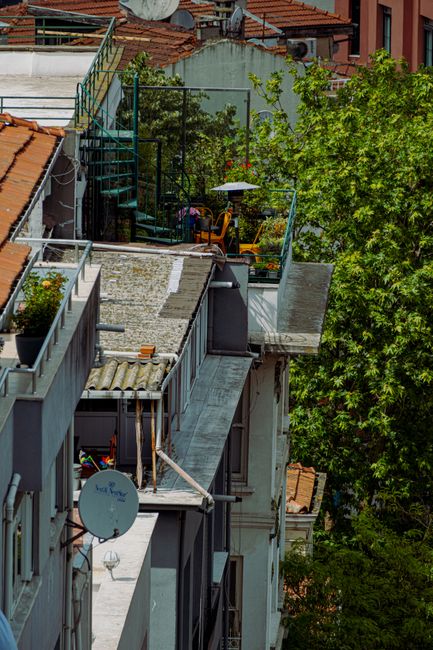
Roof terraces in flats are not the same as ground-level gardens. They tend to be more exposed, more visible, and more limited in terms of loading, watering, and access. In a place like Mornington Crescent, where many homes are compact and outdoor space is precious, a terrace often has to do several jobs at once: somewhere to sit, somewhere to grow, somewhere to store planters, and sometimes somewhere that simply softens the hard edges of an urban flat.
That is exactly why the right gardening approach matters. A terrace can look lovely in spring and then turn scruffy, waterlogged, or wind-battered by late summer if the planting choices are wrong. You may also run into issues that do not exist in a normal garden, such as runoff onto neighbours below, materials that are too heavy for the structure, or awkward movement through stairwells and shared entrances. Not glamorous, but very real.
Key point: the best roof terrace gardeners are as much problem-solvers as they are plant people. They think about drainage, weight, maintenance frequency, privacy, and how the space feels at 8am on a wet Tuesday in November. That perspective saves time and money later.
If your terrace is part of a larger property strategy, it can also connect neatly with broader outdoor improvements. For example, some clients combine planting with landscaping support, a seasonal garden maintenance plan, or even small structural features like decking services to create zones for seating and planters.
How Gardeners for NW1 flats Mornington Crescent roof terraces Works
In practice, roof terrace gardening starts with assessment. A gardener will usually look at access, available light, wind exposure, drainage, existing containers, and how much upkeep you actually want to do. That last bit matters more than people think. A terrace planted for low maintenance should be designed very differently from one that will be regularly replanted and refreshed.
The next stage is usually a tidy plan: what stays, what goes, what needs re-potting, and what needs replacing. If there is clutter, overgrown pots, broken supports, or dead planting, the first visit may include clearance as much as care. That is normal. Sometimes a terrace needs a reset before it can shine again. A proper garden clearance approach can make the whole space easier to manage before the planting work begins.
Once the layout is clear, the gardener may recommend suitable containers, compost, drought-tolerant plants, climbers, herbs, evergreen structure, or seasonal colour. On roof terraces, the emphasis is often on tough, compact, and wind-tolerant choices rather than fussy planting that sulks after a week of exposed weather. That does not mean the space has to be dull. Far from it. It just needs to be realistic.
Maintenance then becomes the rhythm that keeps the terrace healthy: watering, deadheading, pruning, feeding, checking supports, cleaning debris, and making sure drainage paths stay open. If the terrace is part of a fuller outdoor scheme, services such as hedge trimming or lawn mowing may not apply directly to the roof, but they often sit alongside broader property care plans where the outside of the home is managed in a joined-up way.
Key Benefits and Practical Advantages
A well-managed roof terrace can change how a flat feels. It can make the property seem bigger, calmer, and more personal. There is something quietly restorative about opening a door and seeing green leaves moving in the morning air above the noise of Camden traffic. Even a compact terrace can offer that little mental reset.
- More usable outdoor space: careful planting and layout can turn a narrow terrace into a proper sitting area.
- Better privacy: structured planting can soften sightlines from neighbouring buildings.
- Reduced clutter: a planned scheme avoids the "random pot collection" look that builds up over time.
- Healthier plants: the right watering and soil strategy helps plants survive wind, heat, and fast-drying conditions.
- Lower long-term hassle: sensible choices mean fewer emergency replacements and less weekend rescue work.
- Improved property presentation: a tidy terrace gives a strong impression when guests, tenants, or buyers visit.
There is also a practical side that often gets overlooked. A roof terrace with good drainage and regular care is less likely to suffer from water pooling, plant dieback, or debris build-up around corners and drains. That sounds unexciting, but if you have ever had to shift heavy pots in the rain because a drain got blocked, you will know why it matters.
For some properties, maintenance also includes checking surface finishes, joins, and timber elements. If the terrace has built-in seating or timber details, a service like landscape gardening can help tie planting and hard landscaping together so the whole space feels intentional rather than pieced together.
Who This Is For and When It Makes Sense
Not every flat owner needs full-time terrace care. Some people just need a seasonal refresh. Others need regular support because they travel often, work long hours, or simply would rather enjoy the terrace than spend every Saturday rescuing basil from the wind. Fair enough.
This service makes sense if you:
- own or rent a flat in NW1 with a roof terrace or balcony-style outdoor area
- want a greener space without guessing which plants can survive up there
- need help keeping containers tidy and healthy through the seasons
- share the terrace in a managed building and need a careful, low-disruption approach
- have drainage, access, or weight concerns and want practical advice before adding anything new
- are preparing a property for sale, rental, or long-term use and want it to look well cared for
It also makes sense if the terrace has become a bit neglected. A lot of London outdoor spaces start with good intentions, then drift. A few dead plants here, a broken trellis there, and before you know it the space feels like a storage area with a planter problem. Happily, that is fixable.
For landlords and managing agents, the benefit is reliability. A clear maintenance plan reduces complaints, keeps the space safer, and helps avoid reactive callouts. If you are comparing providers, it can help to review the company's wider services overview and pricing and quotes guidance so expectations are clear from the start.
Step-by-Step Guidance
Here is a practical way to approach roof terrace gardening without making it feel complicated. Keep it simple, but not careless.
- Assess the space carefully. Look at sun, shade, wind, access, drainage, and where rainwater actually goes.
- Decide the purpose. Do you want privacy, colour, herbs, a social space, or a low-maintenance green backdrop?
- Clear away tired material. Remove dead plants, brittle supports, broken pots, and anything that is clearly not doing the space any favours.
- Check containers and structure. Large pots may be fine, but only if they are suitable for the terrace and easy to move or stabilise.
- Choose plants for exposure. Wind-tolerant and drought-resistant planting usually performs better than delicate species.
- Plan watering. Decide whether manual watering is realistic or whether the space needs a simpler, more drought-aware setup.
- Create zones. Keep seating, planting, and access routes separate so the terrace feels usable, not cramped.
- Build a maintenance rhythm. Weekly, fortnightly, or seasonal checks are better than waiting until everything looks sorry for itself.
If you are doing it yourself, start with one corner rather than the whole terrace. A small, finished section gives you momentum. If you are hiring help, ask for a plan that explains what gets done on each visit and what is included. That little bit of clarity saves misunderstandings later.
And yes, it is absolutely fine to say you want low-maintenance. Most people do. There is no prize for choosing the plant that needs a personal pep talk every morning.
Expert Tips for Better Results
After enough time working on terraces and compact outdoor spaces, a few habits stand out. Small decisions make a large difference up there.
- Use structure first, colour second. Evergreen shape, grasses, and sturdy shrubs create year-round order. Seasonal flowers can then bring the fun.
- Think about wind as a design factor. A terrace in NW1 can be breezier than people expect. Tall, flimsy plants often struggle.
- Choose pots that suit the site. Lightweight containers are easier to handle, but they still need enough stability to cope with gusts.
- Prioritise drainage. A beautiful terrace becomes frustrating very quickly if water has nowhere sensible to go.
- Keep a spare set of basics. Compost, ties, gloves, secateurs, and a small watering can may sound dull. They are not dull when you need them at 7pm and the terrace is drying out fast.
- Refresh the space in layers. Do not try to replace everything at once unless the whole terrace genuinely needs a reset.
One practical observation: terrace planting often looks best when it is repeated in groups rather than scattered randomly. Three similar pots can look calmer and more expensive than seven mismatched ones. Not a hard rule, just something you notice when you stand back with a cup of tea and squint a little.
For building-wide or larger exterior care, some people also coordinate terrace work with recycling and sustainability practices, especially when old pots, plant waste, or packaging needs to be removed responsibly. A tidy project is usually a greener one too.
Common Mistakes to Avoid
Roof terraces fail for surprisingly ordinary reasons. It is rarely one giant disaster. More often it is a chain of small misjudgements.
- Ignoring weight: heavy soil, oversized planters, wet materials, and waterlogged compost can add up quickly.
- Choosing plants for ground gardens, not roof gardens: tender, shade-only, or moisture-loving species may never settle.
- Overcrowding: too many pots make maintenance harder and restrict airflow.
- Forgetting access: if a pot is impossible to move, prune, or water properly, it will become a problem.
- Neglecting cleaning: leaves, petals, and debris can build up around outlets and corners.
- Skipping maintenance during winter: that is often when hidden issues show up.
- Using furniture or screens that are not stable enough for exposed conditions: one windy evening is enough to prove the point.
Another common mistake is expecting the terrace to look perfect all year with almost no input. In London, that is rarely realistic. What you can have is a resilient, good-looking space that ages gracefully and does not demand constant intervention. That is the sweet spot.
If the space has become overrun, it may need a clean-up before any planting improvements make sense. In those cases, a careful reset paired with garden clearance often gives much better results than trying to prune around the problem.
Tools, Resources and Recommendations
You do not need a warehouse full of equipment to keep a terrace in good shape. A few reliable tools, used consistently, are better than lots of gadgets gathering dust in a cupboard.
| Tool or Resource | Why It Helps | Best Use |
|---|---|---|
| Secateurs | Clean cuts for deadheading and light pruning | Regular plant tidy-ups |
| Lightweight watering can or hose access | Makes watering less awkward on upper floors | Warm spells and newly planted containers |
| Quality compost | Supports healthy root growth and moisture retention | Re-potting and seasonal refreshes |
| Plant ties and supports | Helps climbers and taller stems stand up to wind | Vertical planting and screening |
| Drainage trays or suitable pots | Reduces mess and standing water | Container planting on terraces |
If you are choosing professional support, look for a service that is clear about scope, safety, and aftercare. A good provider should be able to explain what they will do, how often they recommend visits, and what is excluded. That is where useful pages like insurance and safety and health and safety policy become surprisingly relevant, because roof work and shared access need careful handling.
If you are comparing providers in the area, it is also sensible to check whether they offer ongoing garden maintenance rather than one-off tidy-ups only. Terrace spaces often benefit from rhythm, not rescue.
Law, Compliance, Standards, or Best Practice
Roof terraces in flats sit in a practical grey area where gardening, building management, and safety all overlap. The exact obligations can vary depending on the building, lease, management company, and the nature of the work. So it is best to stay cautious rather than overstate anything.
In normal UK practice, a few principles are sensible and widely expected:
- Check access arrangements: shared entrances, lifts, and stairwells should be used carefully and kept clean.
- Respect load limits: heavy materials should not be added casually, especially without confirming the structure can support them.
- Avoid drainage blockages: keep outlets and channels clear of leaves, soil, and debris.
- Use safe working practices: tools, lifting, and transport of materials should be handled carefully, especially on upper floors.
- Follow building rules: many blocks have rules about noise, delivery timing, storage, and shared spaces.
If the terrace includes timber features, built-in seating, or raised structures, it can make sense to think about maintenance as part of a broader property care plan. This is where some clients coordinate with decking services or wider landscape gardening support, particularly when the space has both soft and hard elements.
The most responsible approach is simple: ask questions, document the plan, and make sure the work is proportionate to the building. If something feels off, it probably needs checking before a planter full of wet soil is carried up three flights of stairs. Common sense still counts, thankfully.
Options, Methods, or Comparison Table
Different terraces need different levels of care. The right choice depends on budget, time, and how polished you want the space to feel.
| Approach | Best For | Pros | Trade-Offs |
|---|---|---|---|
| DIY terrace care | Hands-on owners with limited planting needs | Lower cost, full control, flexible timing | Easy to fall behind; learning curve can be steep |
| Seasonal professional visits | People who want expert refreshes without full-time upkeep | Good balance of cost and quality | Space may still need light interim care |
| Regular maintenance plan | Busy households, landlords, and showpiece terraces | Consistent appearance, fewer surprises, better plant health | Ongoing commitment, higher spend than occasional visits |
| Full redesign or restoration | Neglected, awkward, or poorly functioning terraces | Strong transformation, better long-term structure | More upfront work and planning |
In many NW1 flats, a mix of approaches works best. For example, a professional might redesign the terrace, then return seasonally for maintenance while the owner handles light watering. That hybrid model is often practical, especially in busy households.
Case Study or Real-World Example
Imagine a small Mornington Crescent flat with a modest roof terrace facing west. The owner wants greenery, but the space currently has three tired pots, one broken trellis, and a couple of plants that looked ambitious on a sunny day and then gave up by October. Very normal, honestly.
The first step is a light clear-out and assessment. The gardener removes dead material, checks the drainage points, and notices that one corner gets harsh wind while another stays warmer near the wall. Instead of trying to force a full cottage-garden look, the plan shifts to a tougher structure: a few evergreen containers, a climber for screening, and lower planting that will not snap in gusts.
Next comes the layout. Seating stays near the door for easy access. The windiest edge gets sturdier planters. The warm corner gets herbs and seasonal colour. The result is not overdone. It just works. There is room to sit with coffee, room to water without tripping over things, and enough planting to make the flat feel softer and more lived-in.
That is the real aim. Not a magazine cover. A space that fits your life.
Practical Checklist
Use this checklist before starting or commissioning work on a roof terrace. It keeps the job grounded.
- Have I checked how the terrace is accessed and whether anything bulky will be difficult to move?
- Do I know which areas get the most wind, sun, and shade?
- Are there any drainage points that need to stay clear?
- Do I know which pots are staying, which are going, and which need replacing?
- Are the plant choices realistic for a roof-level space in London weather?
- Will maintenance be occasional, seasonal, or ongoing?
- Are there building rules or shared access considerations to keep in mind?
- Do I want privacy, colour, herbs, seating zones, or a mix of all four?
- Is the space overloaded with clutter or dead material?
- Have I asked about safety, insurance, and what the service includes?
Expert summary: roof terrace gardening works best when it is planned around real life, not ideal weather and unlimited free time. Choose resilient planting, make access easy, keep drainage clear, and commit to a maintenance rhythm you can actually sustain. That combination gives you a terrace that feels good to use, not just good to look at.
Get a free quote today and see how much you can save.
Conclusion
Gardeners for NW1 flats Mornington Crescent roof terraces are not just there to keep things tidy. They help shape a space that is safer, smarter, and more enjoyable to live with. In a part of London where outdoor space is precious, that matters. A lot.
Whether your terrace needs a seasonal refresh, a full reset, or a maintenance plan that stops the usual drift into chaos, the best results come from thoughtful planning and realistic plant choices. Keep the structure simple, respect the practical limits of the space, and do not be afraid to start small. Small can be lovely. Small can be enough.
And when a terrace is done well, it does more than decorate a flat. It gives you a little pocket of calm above the street, which, to be fair, is worth a great deal in NW1.
Frequently Asked Questions
What do gardeners for NW1 flats Mornington Crescent roof terraces actually do?
They assess, plant, tidy, and maintain terrace spaces with roof-level conditions in mind. That usually means choosing suitable plants, managing drainage, dealing with exposed weather, and keeping the area usable rather than overcrowded.
Can a roof terrace be low maintenance?
Yes, if it is designed that way from the start. The trick is to use resilient plants, sensible containers, and a layout that does not create constant watering or pruning jobs. Low maintenance is absolutely possible, but it still needs some care.
Are all plants suitable for roof terraces?
No. Many garden plants struggle with wind, heat, and fast-drying conditions at roof level. It is usually better to choose stronger, more adaptable planting than to assume a plant will cope just because it looks good in a nursery.
How often should a roof terrace be maintained?
That depends on the planting, exposure, and how polished you want the space to look. Some terraces need weekly watering in warm spells, while others are fine with seasonal professional visits plus light owner care in between.
Do roof terraces need special attention for drainage?
Yes, definitely. Drainage is one of the most important things to keep an eye on. Leaves, soil, and debris can block outlets and create standing water, which is a nuisance at best and damaging at worst.
What should I ask before hiring a gardener for my terrace?
Ask about experience with roof terraces, access arrangements, plant recommendations, maintenance frequency, safety, and whether clearing, planting, and aftercare are all included. Clear answers usually mean a better outcome.
Is garden clearance useful before terrace planting?
Very often, yes. If the terrace has old pots, dead plants, broken supports, or clutter, clearing it first creates a better foundation for any new layout. It is much easier to design a tidy space once the mess is gone.
Can gardeners help if I only want a seasonal refresh?
Absolutely. Not every terrace needs a long-term maintenance plan. Some people just want spring planting, a summer tidy, or an autumn reset before the weather turns.
Do I need to worry about building rules or permissions?
Often, yes. Flat owners and tenants should check the building's rules on access, shared areas, storage, and any work that might affect neighbours. It is better to ask first than cause a headache later.
What makes roof terrace gardening different from ordinary garden care?
The main differences are wind, weight, access, drainage, and exposure. A terrace is more technical in many ways, even when the planting itself looks simple. The best gardeners understand both the horticulture and the practical constraints.
How do I keep a terrace looking good through winter?
Use structural planting, evergreen pieces, and sturdy containers that hold their shape when flowers have gone. Winter is also a good time to clear dead material and check what needs replacing before spring arrives.
Where can I find more about the company behind these services?
You can learn more on the about us page, review the wider services overview, and get in touch through contact us if you want to talk through your terrace in more detail.