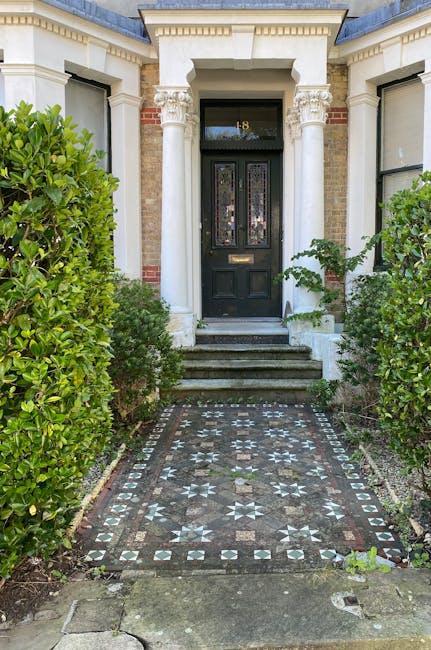
Terrace front garden gardeners for period homes in Camden Town
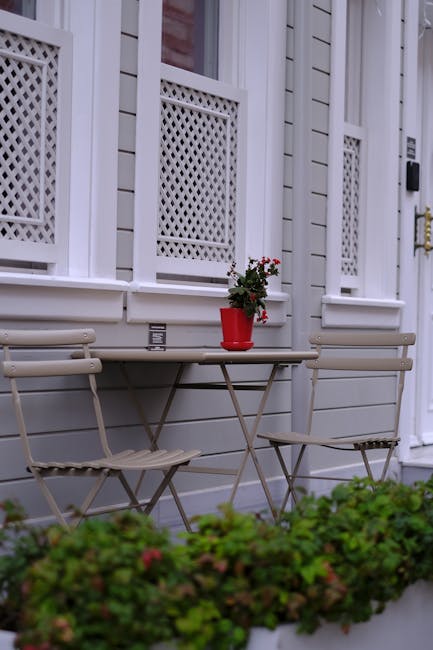
Front gardens on Camden Town terraces have a quiet kind of pressure about them. They are small, visible, and often the first thing people notice before the front door even opens. If you own a period home, that little patch of ground has to do a lot: look elegant, respect the building's character, cope with shade, and still be practical in real life. That is exactly where terrace front garden gardeners for period homes in Camden Town make a difference.
Done well, a terrace front garden can feel like a neat continuation of the house rather than an afterthought. Done badly, it can look cluttered, tired, or oddly modern against a Victorian or Edwardian frontage. In this guide, we will look at what specialist front garden care involves, how the process usually works, what to ask for, and how to avoid the mistakes that make these spaces harder to manage than they need to be. A small garden can be deceptively complicated. Camden gardens especially. They really can.
Why Terrace Front Garden Gardeners for Period Homes in Camden Town Matters
Period terraces in Camden Town tend to sit close to the street, with front gardens that are narrow, exposed, and very much on display. That creates a different challenge from a larger suburban plot. You are not just maintaining plants. You are managing scale, proportion, frontage, drainage, access, and the overall feel of the house. A front garden that suits a terraced period property should look intentional from the pavement and still make sense when you are walking up the path with shopping bags or a buggy.
There is also the heritage angle. Period homes usually look best when their garden respects the architecture rather than competing with it. Think restrained planting, tidy lines, good materials, and surfaces that do not fight the brickwork or railings. Too much visual noise can make a lovely facade feel a bit confused. Too little structure, and the garden can disappear into a messy strip of soil and paving. Getting that balance right is the whole game.
Local conditions matter too. Camden gardens often deal with shade from nearby buildings or trees, compacted soil, limited access, and the simple fact that small spaces show every imperfect edge. One untidy hedge or patch of weeds can dominate the whole view. In a terrace setting, the front garden is not background. It is part of the property's character.
Expert summary: A well-managed terrace front garden should feel calm, tidy, and architectural. The best results usually come from garden care that understands both the house style and the realities of a small urban space.
How Terrace Front Garden Gardeners for Period Homes in Camden Town Works
In practical terms, specialist front garden work usually starts with a close look at the space itself. What is growing well? What is failing because of shade, poor soil, or too much foot traffic? Is the boundary line neat? Does the front path need cleaning or re-edging? These are simple questions, but they shape everything that follows.
A good gardener will usually begin by identifying what is worth keeping, what needs cutting back, and what may need replacing altogether. That might include pruning a tired shrub, reducing hedge height, reshaping borders, refreshing mulch, or clearing leaves and debris that are making the area look neglected. For some homes, the job is ongoing maintenance. For others, it is a one-off reset before a lighter maintenance routine begins.
The method also depends on the purpose of the front garden. Some Camden Town homeowners want a traditional, planted look that feels soft and welcoming. Others want something cleaner and lower maintenance, perhaps with a small evergreen structure, gravel or paving elements, and seasonal pots for colour. Neither approach is wrong. The key is to be honest about how much time you want to spend on it later. A romantic planting scheme is lovely until it starts taking over the path in late summer.
If the front garden is part of a broader property refresh, the gardener may work alongside landscaping or add simple structural features through landscape gardening. If the site has overgrown borders, the first visit might involve garden clearance to create a clean starting point. After that, the job shifts into shaping and maintaining.
Key Benefits and Practical Advantages
The obvious benefit is appearance. A neat front garden instantly lifts the frontage of a period home. But let's be fair, it is not only about looking nice for passers-by. A well-designed and maintained garden also makes the property easier to live with.
- Better first impression: A tidy terrace front garden frames the house and makes the whole frontage feel cared for.
- Lower stress: You are less likely to keep noticing the same untidy corner every time you leave the house.
- Improved usability: Clear paths and sensible planting make daily movement easier.
- More suitable planting: The right plants cope better with shade, wind, and limited soil volume.
- Better long-term value of effort: Small, regular maintenance usually beats dramatic rescue work every year.
There is another advantage that is easy to overlook: proportion. Period homes often look best when the front garden feels measured and calm. A skilled gardener understands that restraint can be more powerful than filling every inch. In a Camden terrace, that usually means the garden earns its place quietly rather than shouting for attention. The result is more elegant, and, frankly, easier to keep tidy.
Where there is regular upkeep, services such as garden maintenance and lawn mowing can keep a front garden from drifting into that slightly scruffy stage that happens so quickly in city gardens. If hedges are part of the frontage, periodic hedge trimming helps keep the outline crisp and the frontage balanced.
| Approach | Best for | Main benefit | Trade-off |
|---|---|---|---|
| Minimal, tidy maintenance | Homeowners who want a clean, classic frontage | Low fuss, consistent appearance | Less seasonal variety |
| Structured planting with regular care | Period homes that can support a more decorative look | Character and depth | Needs more ongoing pruning |
| Front garden refresh and reset | Overgrown or neglected terraces | Fast visual improvement | May need follow-up maintenance sooner |
| Hardscape-led front garden | Busy households wanting low maintenance | Easy to keep neat | Needs careful design to avoid looking stark |
Who This Is For and When It Makes Sense
This service makes sense for a few different kinds of homeowners. If you live in a period terrace and the front garden feels out of step with the property, specialist garden care can bring it back into line without overcomplicating things. If you have recently moved in, it can also help you understand what is already working and what is quietly causing problems under the surface.
It is especially useful if the garden has any of these issues:
- Overgrown shrubs blocking windows or paths
- Uneven, tired planting that no longer suits the house
- Weeds, moss, or leaf build-up making the area feel neglected
- Poorly shaped hedges that throw off the symmetry of the frontage
- A front garden that needs to be more low maintenance
- Boundary planting that has become too large for the space
It also suits people who simply do not want to spend every other weekend fiddling with shears and buckets. Some front gardens can be looked after with a quick, calm routine. Others need someone with a sharper eye. If the space feels like it has got ahead of you, that is usually the moment to call in help rather than trying to wrestle it back with one heroic Saturday. Heroic Saturdays are overrated, to be honest.
For homeowners who are planning a broader tidy-up, combining front garden work with other practical services can be efficient. For example, an overgrown entrance may benefit from tree lopping and removal if a tree is heavily shading the garden or causing repeated debris issues. If you are trying to get the whole exterior back under control, a coordinated approach tends to work best.
Step-by-Step Guidance
Here is a practical way to think about the process from start to finish.
- Assess the frontage properly. Look at the garden from the street and from the doorway. What feels cluttered? What looks bare? What needs pruning rather than removing?
- Decide the role of the garden. Is it mostly decorative, mostly practical, or a mix of both? That decision changes the design and maintenance plan.
- Clear the obvious problems first. Remove weeds, dead material, and anything blocking paths or windows. If the garden has become unruly, a clearance stage may be the right first step.
- Set the structure. Hedge lines, edging, paths, and key planting positions should feel deliberate. Structure is what stops a small front garden looking messy after one windy week.
- Choose planting that suits Camden conditions. Shade-tolerant, compact, and resilient plants often perform better than high-maintenance showpieces.
- Plan for routine upkeep. Trim, sweep, weed, water, and refresh. Small jobs done regularly are easier than big recovery projects.
- Review the look seasonally. In spring and autumn especially, check how the garden is handling growth, leaf fall, and light levels.
A useful rule of thumb: if a change makes the house look more balanced from the pavement, it is probably helping. If it makes the frontage feel busier, ask whether you are adding value or just adding stuff. Subtlety wins more often than people expect.
Expert Tips for Better Results
Period front gardens have their own rhythm. A few small choices can make a big difference.
- Keep shapes simple. Straight lines and gentle curves usually suit terrace fronts better than overly fussy layouts.
- Match planting to the light. Camden terraces often have patchy sun, so choose plants based on actual conditions, not wishful thinking.
- Leave room for movement. Front paths should feel easy to use, especially if bins, bikes, or delivery parcels come through regularly.
- Use repetition wisely. Repeated plants or materials can make a small garden feel coherent rather than crowded.
- Prune for shape, not just size. A shrub can be the right height and still look wrong if its outline is untidy.
- Think in seasons. A garden that looks good only in one month tends to disappoint later. Mix permanent structure with gentle seasonal interest.
One practical observation from working with tight front spaces: a slightly underplanted garden often looks better than one that is packed to the edges. Breathing room matters. You notice it especially on a damp morning when leaves are wet and everything seems to grow an extra inch overnight. Camden can do that to a garden.
If your priority is long-term ease, it is worth asking about ongoing visits rather than treating the job as a one-off. A good maintenance rhythm keeps the frontage steady, which is exactly what period homes tend to reward.
Common Mistakes to Avoid
Some front gardens go wrong in very predictable ways. The good news is that most of them are fixable.
- Overfilling the space: Too many species, pots, ornaments, or mixed materials can make a small terrace front feel cramped.
- Ignoring maintenance needs: A garden that needs weekly attention is not ideal if no one has time for weekly attention.
- Choosing plants for looks only: Gorgeous is nice. Sustainable is better.
- Letting hedges drift: Once a boundary hedge loses its line, the whole frontage looks sloppier than it is.
- Using the wrong scale: Large plants can overwhelm a modest period facade very quickly.
- Forgetting drainage and access: Even tiny gardens need practical movement and sensible water flow.
A less obvious mistake is designing for a fantasy version of your lifestyle. You know the one: "I'll definitely be deadheading every Sunday." Maybe, maybe not. Better to be honest. A front garden that suits how you actually live will look better longer, and that is the part that matters in the end.
Tools, Resources and Recommendations
You do not need a huge kit to look after a small terrace front garden, but the right tools make the job cleaner and quicker. For routine care, a few basics tend to go a long way:
- Sharp secateurs for light pruning and deadheading
- Shears for hedges and soft shaping
- A stiff hand fork or weeding tool
- A broom or leaf rake for paths and front steps
- Gloves that actually fit, which sounds obvious until you wear the wrong pair
- A watering can or hose arrangement that suits the layout
For larger or more awkward work, professional support is often the sensible route. If you are comparing options, look closely at whether a provider covers ongoing upkeep, tidy-up visits, and related work such as services overview packages or specific tasks like hedge work and clearance. If you are trying to understand service scope and budget planning, it can also help to review pricing and quotes early rather than guessing later.
And if you care about how waste is handled, ask about green disposal and reuse. Many homeowners in Camden are more conscious about waste than they used to be, and fairly so. A responsible approach to clippings, cuttings, and removed material is part of good garden practice.
You may also want to think about the practical standards behind the service itself. Safety, insurance, communication, and clear terms all matter. It is not glamorous, no, but it saves headaches. For some readers, knowing there is a clear insurance and safety approach is enough to make the decision feel much easier.
Law, Compliance, Standards and Best Practice
For most front garden jobs, the legal side is straightforward, but there are still a few things worth keeping in mind. If work involves trees, access near the public pavement, or anything that could affect neighbours or passers-by, it should be planned carefully. That means checking for practical risk, maintaining safe working methods, and avoiding damage to shared boundaries or public areas.
In a period terrace setting, best practice also means respecting the character of the property. There may not be a single formal rule about how a front garden should look, but the standard of care should still be high. Good work is tidy, proportionate, and safe. It avoids blocking visibility, creating trip hazards, or leaving debris where people walk.
Homeowners should also expect transparent terms, sensible communication, and proper attention to privacy and site access. If you are comparing providers, policies such as terms and conditions and privacy policy are not exciting reading, but they tell you how the business handles bookings, data, and responsibilities. That is part of trust, plain and simple.
When the work involves repeated visits, ask how access will be managed, how waste will be handled, and whether the gardener follows clear safety procedures. If sustainability matters to you, it is fair to ask about recycling and disposal practices too. A good provider should be able to explain this without sounding flustered.
Options, Methods, or Comparison Table
Not every terrace front garden needs the same level of intervention. The best method depends on time, budget, and the final look you want.
| Method | Description | Pros | Best choice when |
|---|---|---|---|
| Routine maintenance | Regular trimming, weeding, sweeping, and light shaping | Keeps the garden steady and tidy | The garden is already in decent order |
| One-off restoration | Resetting an overgrown or neglected front garden | Fast visual improvement | The garden has become hard to manage |
| Design-led refresh | Changing layout, planting structure, or materials | Better fit for the house style | The current layout feels wrong or dated |
| Combined garden and frontage care | Mixing planting, hedges, light landscaping, and hardscape tidying | More complete finish | You want the whole front area to feel cohesive |
For most Camden period homes, the middle ground works best. A full redesign is not always needed. Sometimes a sharper edge, healthier planting, and a calmer layout are enough to transform the feel of the house. Other times, the front garden needs a deeper reset because the structure has simply gone. Both are valid. The trick is knowing which one you are looking at.
Case Study or Real-World Example
Here is a realistic example. A Camden Town terrace with a narrow front garden had become a bit of a tangle: one hedge was leaning into the path, the border plants had mixed together, and the front looked heavier than the house itself. Nothing dramatic, just the kind of slow drift that happens when a space gets missed for a season or two.
The first step was a tidy clearance of dead growth and scattered debris. After that, the hedge was shaped back to a clean line, the planting was reduced to a few stronger performers, and the edging was made visible again. The result was not flashy. It was better than flashy. The frontage looked calmer, the path felt wider, and the house regained some of its original balance.
What made the difference was not a complicated design. It was restraint and consistency. The owner could then maintain it more easily, which is usually the point. Small spaces reward discipline. A little bit of order goes a surprisingly long way, especially on a terrace where every line is visible from the street.
Practical Checklist
Use this simple checklist before you book work or start a refresh of your own:
- Is the front garden meant to be decorative, practical, or both?
- Does the current layout suit the style of the period home?
- Are there any overgrown shrubs, hedges, or trees causing issues?
- Do paths and steps remain clear and safe?
- Is the planting appropriate for shade, wind, and limited space?
- Do you want a one-off tidy-up or ongoing maintenance?
- Are waste removal and recycling expectations clear?
- Have you reviewed the provider's approach to safety and insurance?
- Will the final design be easy to live with, not just nice to look at?
- Does the frontage still feel in keeping with the house character?
If you can answer most of those confidently, you are in good shape.
Conclusion
Terrace front garden gardeners for period homes in Camden Town are not just there to make things look tidy, though that is part of it. The real value is in creating a front garden that belongs to the house, works in a compact London setting, and stays manageable over time. A good terrace front garden should feel balanced, elegant, and quietly practical. Nothing shouty. Nothing fussy. Just right.
For period homes especially, that balance matters. The frontage sets the tone before anyone steps inside, and in a place like Camden Town, where space is tight and character is everything, a thoughtful approach makes a genuine difference. Start with the structure, choose the right maintenance rhythm, and keep the design honest. That is usually enough. More than enough, in fact.
If you are ready to explore the next step, take a look at about us to understand the team behind the service, then use the practical information on contact us or pricing and quotes when you are ready to compare options. A well-kept front garden has a way of making home feel settled again.
Get a free quote today and see how much you can save.
Frequently Asked Questions
What do terrace front garden gardeners do for period homes?
They shape, tidy, prune, and maintain small front gardens so they suit the character of a period terrace. That usually includes hedge work, planting care, weed control, edging, clearance, and making the frontage feel balanced rather than crowded.
Why are Camden Town terrace front gardens different from other gardens?
They are usually smaller, more visible from the street, and more affected by shade, access limits, and older building styles. That means the garden has to work harder visually while still being practical to maintain.
How often should a period home front garden be maintained?
It depends on the planting and how formal you want the look to be. Many front gardens benefit from regular light maintenance rather than occasional heavy work. If hedges or fast-growing plants are involved, the interval may need to be shorter.
Can a small terrace front garden still look elegant?
Absolutely. In fact, small front gardens often look more elegant when they are kept simple. Clean lines, compact planting, and a clear path usually create a better result than trying to cram in too much.
Is it better to redesign the front garden or just maintain it?
If the structure is already good, maintenance may be enough. If the layout feels wrong, plants are failing, or the space has become difficult to manage, a redesign or refresh may be the smarter option.
What should I ask before booking a gardener for my front garden?
Ask what is included, how waste will be handled, whether the team is insured, and whether they understand period properties. It also helps to ask whether the work is a one-off tidy-up or part of an ongoing plan.
Do I need garden clearance first?
If the space is overgrown or cluttered, yes, clearance can be the best first step. It creates a clean base so the real structure of the garden is visible again. After that, ongoing maintenance tends to be much easier.
Can front garden work improve kerb appeal?
Yes. A tidy, well-proportioned front garden can make a house feel more cared for and more complete. For period homes, that effect is often stronger because the garden becomes part of the home's architectural presentation.
What are the most common mistakes in small front gardens?
Overplanting, choosing the wrong plant sizes, letting hedges drift, and ignoring maintenance are the big ones. Another common issue is creating a design that looks good for one month but becomes awkward to live with the rest of the year.
Are landscaping services useful for a small terrace frontage?
Yes, if the front garden needs structural changes, new surfaces, or a more coherent layout. For simpler jobs, lighter garden care may be enough. It really depends on how much the space needs to change.
What if my front garden gets very little light?
That is common in Camden terraces. Shade-tolerant planting and simple structure usually work better than sun-loving plants that will struggle. A good gardener will plan around the actual conditions, not the ideal ones.
How do I keep the front garden looking neat between visits?
Keep a small routine: sweep the path, remove fallen leaves, deadhead where needed, and check that nothing is growing across the entrance. Ten minutes here and there is often enough to stop the garden drifting.